Understanding Different Types of Hearing Loss Before Your Appointment
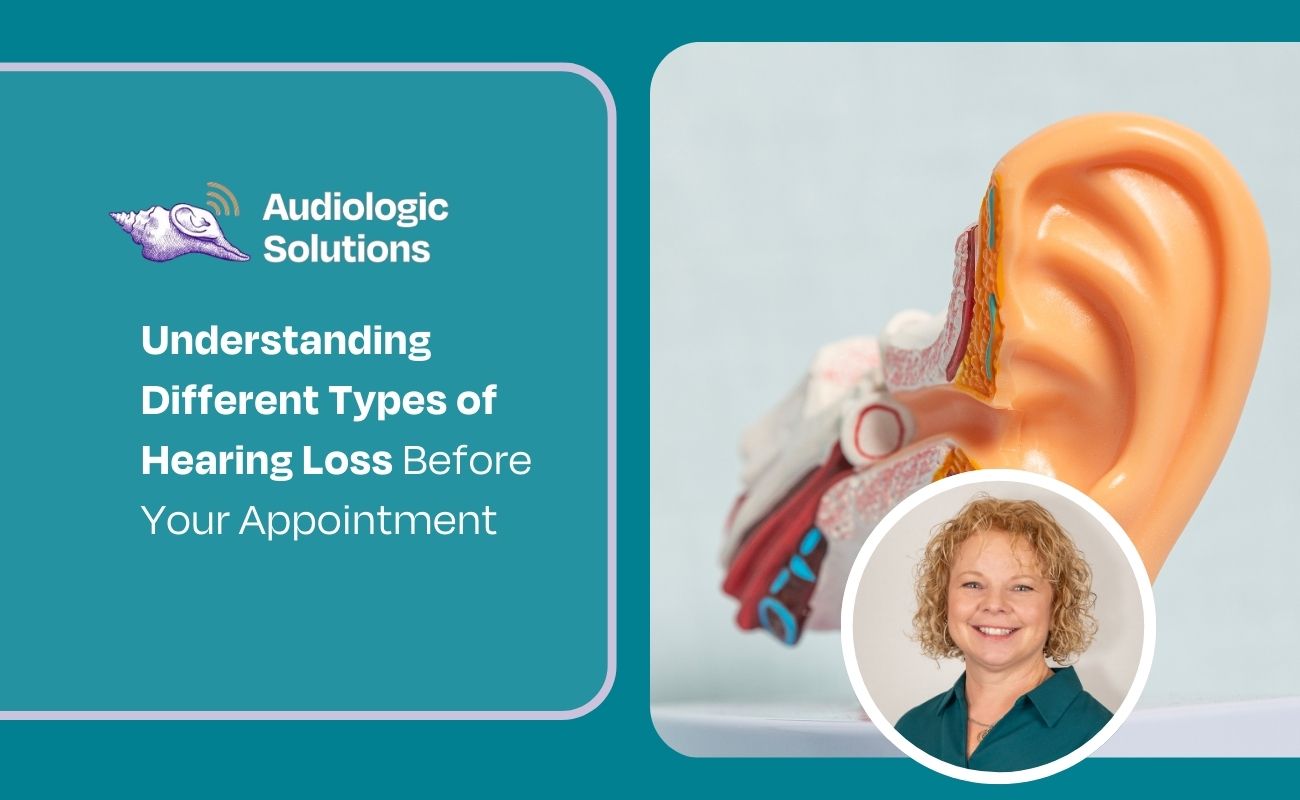

When you notice changes in your hearing, understanding what might be happening can help you feel more prepared for your appointment. Hearing loss isn't a single condition—it comes in different forms, each with its own causes and treatment approaches. At Audiologic Solutions, we see patients with all varieties of hearing difficulties across our Rensselaer, Hudson, Queensbury, and Saratoga Springs locations.
Sensorineural hearing loss affects roughly 90% of people with hearing difficulties. This type occurs when there's damage to the inner ear (cochlea) or the auditory nerve that carries sound signals to your brain. The hair-like cells in your cochlea, which convert sound vibrations into electrical signals, either become damaged or are missing entirely.
Several factors can lead to sensorineural hearing loss:
Age-related changes represent the most frequent cause, as these delicate hair cells naturally deteriorate over time. Noise exposure from concerts, power tools, or loud work environments can damage these cells permanently. Certain medications known as ototoxic drugs can harm the inner ear structures. Head trauma, genetics, and specific illnesses can also play a role.
One challenge with sensorineural hearing loss is that it typically affects your ability to hear certain frequencies more than others. You might hear people speaking but struggle to understand what they're saying, especially in noisy environments. Consonant sounds like "s," "f," and "th" often become difficult to distinguish.
Treatment for sensorineural hearing loss typically involves hearing aids. Modern devices can be programmed to amplify the specific frequencies you're missing while leaving others alone. At our practice, we use Real Ear Measurements to verify that your hearing aids are providing the right amount of amplification for your unique hearing loss pattern.
Conductive hearing loss happens when something prevents sound from traveling through your outer or middle ear to reach your inner ear. Think of it as a physical barrier blocking sound waves from getting where they need to go.
Common causes include:
Ear infections that cause fluid buildup behind the eardrum, impacted earwax that blocks the ear canal, perforated eardrums from injury or infection, otosclerosis (abnormal bone growth in the middle ear), or foreign objects lodged in the ear canal.
The positive aspect of conductive hearing loss is that it's often temporary and treatable. Medical intervention—whether through medication, earwax removal, or surgery—can frequently restore hearing to normal levels. In cases where medical treatment isn't effective or appropriate, hearing aids can compensate for the sound that's being blocked.
During your evaluation at Audiologic Solutions, we'll examine your ear canal and eardrum to identify any visible issues. Our testing will help distinguish whether your hearing loss is conductive, sensorineural, or a combination of both.
Some patients experience both sensorineural and conductive hearing loss simultaneously. This combination, called mixed hearing loss, presents unique challenges because it involves problems in multiple parts of the hearing system.
For example, you might have age-related inner ear damage (sensorineural) and develop an ear infection (conductive) at the same time. The conductive component may be reversible with treatment, but the sensorineural aspect typically remains permanent.
Treatment for mixed hearing loss often involves a two-step approach: addressing the conductive component first through medical intervention, then managing the remaining sensorineural loss with hearing aids. Our comprehensive testing helps us identify both components so we can recommend the most effective treatment plan.
Auditory Processing Disorder (APD) differs from traditional hearing loss because the problem isn't with detecting sounds—it's with how your brain interprets them. People with APD can hear sounds just fine, but they struggle to organize, analyze, and make sense of what they're hearing.
Imagine trying to have a conversation while someone scrambles the words randomly. Your ears work perfectly, but your brain can't process the information quickly or accurately enough. This condition can result from tumors, diseases, head injuries, heredity, or sometimes has no identifiable cause.
APD symptoms often include:
Difficulty following spoken directions, trouble understanding speech in noisy settings, frequently asking people to repeat themselves, struggling to distinguish similar-sounding words, and challenges with reading or spelling.
Diagnosing APD requires specialized testing that goes beyond standard hearing evaluations. Treatment differs significantly from typical hearing loss management. Rather than amplifying sound, interventions focus on training the brain to process auditory information more effectively. This might include auditory training exercises, environmental modifications, or assistive listening devices.
At Audiologic Solutions, we use state-of-the-art equipment during your hearing evaluation to determine exactly what type of hearing loss you have. Our comprehensive testing approach includes:
Visual examination of your ear canal and eardrum to identify any physical blockages or abnormalities. Pure tone testing with headphones to measure your hearing sensitivity at different frequencies. Bone conduction testing to determine whether sound can reach your inner ear when it bypasses the outer and middle ear—this helps us distinguish between conductive and sensorineural loss. Speech testing to assess how well you understand words at various volume levels. Tympanometry to evaluate middle ear function and eardrum movement.
These tests paint a complete picture of your hearing health. The results appear on an audiogram, which shows exactly which frequencies you can and cannot hear well. This information guides our treatment recommendations.
We don't believe in one-size-fits-all solutions. Your treatment plan depends on your specific type of hearing loss, its severity, your lifestyle needs, and your personal preferences.
For sensorineural hearing loss, we offer the latest hearing aid technology from leading manufacturers including Phonak Infinio, Oticon Intent, Starkey Omega AI, ReSound Vivia, Widex Allure, and Signia IX. These devices can be programmed precisely for your hearing loss pattern.
For conductive hearing loss, we work closely with ear, nose, and throat specialists when medical or surgical intervention might help. When medical treatment isn't possible, hearing aids or bone conduction devices can provide excellent results.
Mixed hearing loss often requires collaboration between medical and audiological care, and we coordinate with other healthcare providers to ensure you receive comprehensive treatment.
For APD, we can recommend appropriate specialists and provide strategies to improve communication in your daily life.
Whether you visit us in Rensselaer, Hudson, Queensbury, or Saratoga Springs, you'll receive the same thorough evaluation and personalized care. Each location has the technology and expertise to accurately diagnose your hearing loss type and recommend appropriate solutions.
Our team includes Dr. Stefan Fosco, Dr. Erin Walborn, Dr. Karen DeJoy, Dr. Angela Lalla, Dr. Lyndsay Cunningham, and Dr. Tammy Monroe—all experienced audiologists who understand the nuances of different hearing loss types. We take time to explain your test results, answer your questions, and discuss your options without pressure.
Understanding your hearing loss type is the foundation for effective treatment. During your appointment, we'll spend 30 to 60 minutes learning about your hearing challenges, testing your hearing thoroughly, and explaining what we find in terms you can understand.
You're welcome to bring a family member or friend to your appointment. We encourage this because hearing loss affects your loved ones too, and they can provide valuable insights into situations where you struggle to hear.
Contact Audiologic Solutions today to schedule your comprehensive hearing evaluation. Call our Rensselaer office at (518) 267-7750, Hudson at (518) 267-7751, Queensbury at (518) 267-7752, or Saratoga Springs at (518) 360-2144. You can also visit our website at audiologicsolutions.net to learn more about our services and locations.
Getting your hearing tested is the first step toward understanding what's happening and finding the right solution for your needs. We look forward to helping you hear better.



.jpg)
We have 4 hearing care clinics in Rensselaer, Hudson, Saratoga Springs and Queensbury.


