What Happens During a Comprehensive Hearing Evaluation
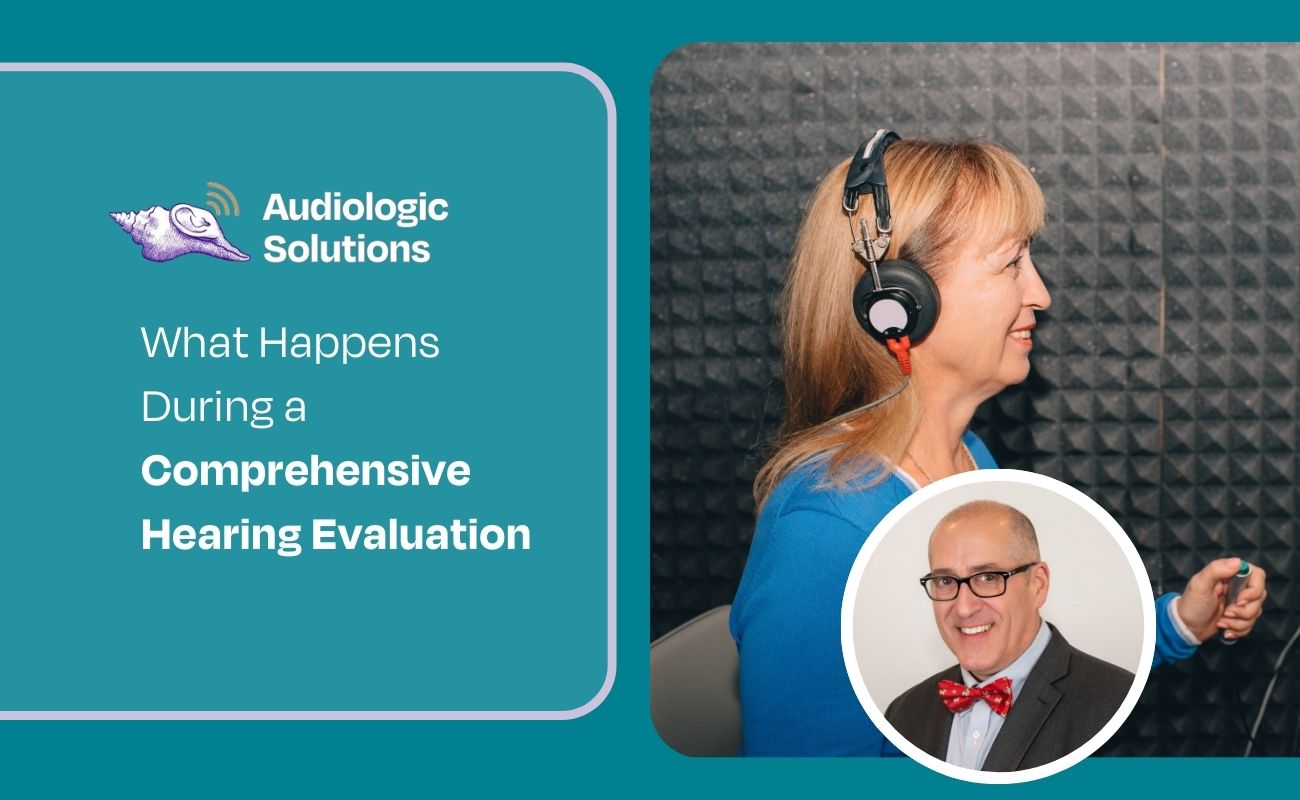

If you've noticed changes in your hearing or been advised to schedule a hearing evaluation, you might be wondering what to expect. At Audiologic Solutions, we understand that visiting any healthcare provider for the first time can feel uncertain. Our team wants you to feel confident and comfortable throughout your appointment, so we've put together this detailed walkthrough of what happens during a comprehensive hearing evaluation.
Before you arrive at our office, we'll ask you to complete a new patient intake form. This document gathers information about your medical history, any medications you're currently taking, and details about your hearing concerns. We'll also ask about your exposure to loud noises throughout your life, whether through work, hobbies, or other circumstances. This background helps us understand the complete picture of your hearing health.
We encourage you to bring a family member or friend to your appointment. Hearing loss affects not just the individual experiencing it, but also those closest to them. Having a loved one present allows them to ask questions and better understand how they can support you. Many of our patients find that having someone familiar alongside them helps ease any nervousness and provides a trusted perspective during the decision-making process.
When you arrive at one of our locations in Rensselaer, Hudson, or Queensbury, your audiologist will start by sitting down with you for a conversation. This isn't about rushing through a checklist—we genuinely want to understand your experience and concerns.
During this consultation, we'll discuss several areas:
This conversation helps us tailor the evaluation to your specific situation. Someone who spends most of their time in quiet environments will have different hearing needs than someone who frequently attends social gatherings or works in noisy settings.
Before beginning any hearing tests, your audiologist will examine the inside of your ears using an otoscope—a small, lighted instrument that allows us to see the ear canal and eardrum. This examination serves several purposes.
First, we need to check for earwax buildup. Excessive earwax is surprisingly common and can significantly impact your hearing by blocking sound from reaching your eardrum. If we find a blockage, we can often address it right away, which may immediately improve your hearing.
Second, we're looking for any abnormalities in the ear canal or eardrum that might be contributing to hearing difficulties. Conditions like infections, perforations, or structural issues can all affect hearing and may require medical attention before other treatments are considered.
This examination only takes a few minutes and is completely painless.
The actual hearing evaluation consists of several different tests, each designed to assess a specific aspect of your hearing system. A comprehensive evaluation at Audiologic Solutions typically takes between 30 and 60 minutes, depending on your individual needs.
The most familiar part of a hearing test is pure tone audiometry. You'll wear specialized headphones, and we'll present a series of beeps and tones at different volumes and frequencies. Your job is simple: indicate each time you hear a sound, no matter how faint.
We test each ear separately, presenting sounds ranging from very low pitches to very high pitches, and from barely audible to comfortably loud. This creates a detailed map of your hearing sensitivity across the frequency spectrum. Since different speech sounds occur at different pitches, this information tells us which sounds you're likely having trouble hearing in everyday conversations.
Many people expect all the sounds to be obvious, but some tones will be quite soft. Don't worry if you're unsure whether you heard something—just respond when you think you detected a sound. There are no wrong answers, and this isn't a test you can pass or fail.
After testing your hearing through the air, we'll also test how well you hear through bone conduction. For this test, we place a small device behind your ear that sends vibrations directly to your inner ear, bypassing your ear canal and eardrum entirely.
Comparing air conduction results with bone conduction results helps us determine what type of hearing loss you have. If sound travels normally through bone but not through air, it suggests a problem in the outer or middle ear. If both types of conduction show hearing loss, it indicates an issue in the inner ear or auditory nerve.
This distinction matters because different types of hearing loss respond to different treatments.
Hearing individual tones in a quiet testing booth is one thing, but understanding speech in real-world conditions is what really matters. That's why we conduct speech testing as part of your evaluation.
We'll present recorded speech at different volume levels and ask you to repeat back words or sentences. This might happen in quiet conditions and also with background noise present. Speech testing reveals how well you understand conversations, not just whether you can detect sounds.
For many people, speech testing confirms what they've been experiencing: sounds might be audible, but words aren't always clear. This happens because hearing loss often affects some frequencies more than others, making certain speech sounds difficult to distinguish.
Tympanometry measures how well your eardrum moves in response to changes in air pressure. We place a soft probe in your ear canal, and you'll feel slight pressure changes—similar to the sensation during takeoff or landing in an airplane.
This test provides information about middle ear function, including the presence of fluid, eustachian tube problems, or issues with the tiny bones that transmit sound. It's particularly useful for identifying conditions that might benefit from medical treatment rather than hearing aids.
After completing all necessary tests, your audiologist will sit down with you to review the results in detail. We'll show you your audiogram—a graph that displays your hearing sensitivity—and explain what it means in practical terms.
You'll learn:
We take time to make sure you understand your results. This information forms the foundation for any treatment recommendations, so it's important that you feel comfortable asking questions.
If you decide to move forward with hearing aids, we'll schedule a fitting appointment where we'll program your devices specifically for your hearing loss and demonstrate how to use and care for them. Many patients begin wearing their hearing aids gradually, increasing usage as they adjust to this new way of hearing.
We maintain an open-door policy, which means you're always welcome to stop by with questions or concerns. Follow-up appointments during the first few weeks help us fine-tune your devices based on your real-world experiences. Regular check-ins and maintenance visits keep your hearing health on track for years to come.
Understanding what happens during a hearing evaluation can ease concerns about the unknown. At Audiologic Solutions, our experienced audiologists—Dr. Stefan Fosco, Dr. Erin Walborn, Dr. Karen DeJoy, Dr. Angela Lalla, Dr. Lyndsay Cunningham, and Dr. Tammy Monroe—provide thorough, compassionate care at every step. We've helped thousands of patients in the Capital Region and beyond improve their hearing and quality of life.
Whether you've noticed hearing changes yourself or someone close to you has expressed concern, taking that first step toward better hearing starts with a comprehensive evaluation. Contact our office in Rensselaer at (518) 267-7750, Hudson at (518) 267-7751, Queensbury at (518) 267-7752, or Saratoga Springs at (518) 360-2144 to schedule your appointment. We look forward to helping you hear your best.






.jpg)
We have 4 hearing care clinics in Rensselaer, Hudson, Saratoga Springs and Queensbury.


