When Tinnitus Becomes More Than Annoying
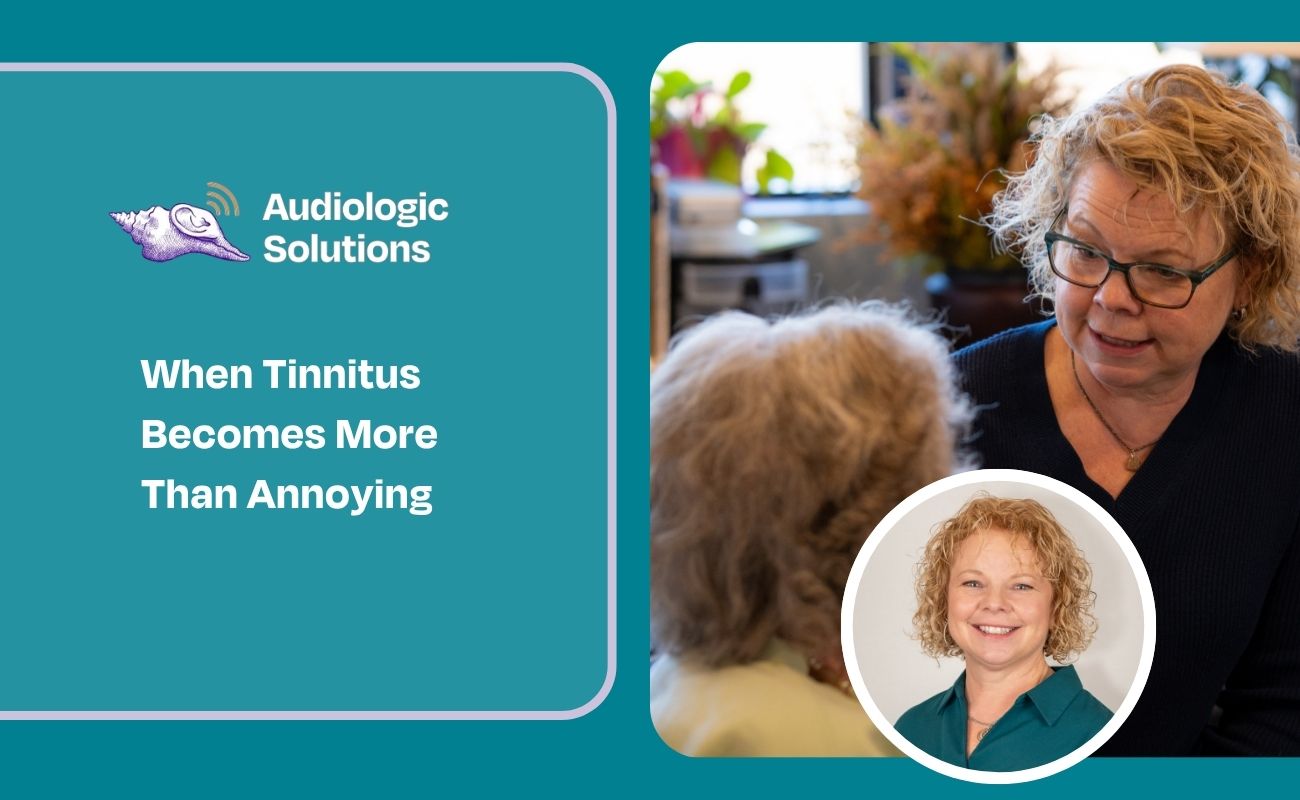

Most people has experience with post-concert ringing that disappears by morning. For millions of Americans, though, the ringing never stops. It's there when you wake up, when you're trying to focus at work, and especially when the house finally goes quiet at night. If that sounds familiar, know this: tinnitus doesn't have to run your life, and real treatment options exist beyond just "learning to live with it."
Tinnitus exists on a spectrum. For some people it's a minor nuisance. For others, it quietly takes over.
Here are a few signs you shouldn't ignore:
That last one matters. Tinnitus isn't just a hearing issue. The emotional weight builds over time, and it tends to get heavier if you don't address it.
Sleep is often where tinnitus causes the most damage. When the busyness of the day fades, the ringing moves to center stage. Many patients describe lying awake, hyper-focused on the sound — which only amplifies it. Poor sleep leads to fatigue, mood shifts, and brain fog the next day. It becomes a cycle.
Concentration takes a hit, too. Your brain is constantly working to monitor or suppress that unwanted noise, which leaves fewer resources for everything else. Patients tell us all the time: it's not just "my ears ring" but it's "I can't think straight anymore." That's a real and valid experience, not an exaggeration.
There's no single cure for tinnitus. Effective treatment absolutely exists, it just needs to match your specific situation.
We start with a comprehensive evaluation to understand what's driving your tinnitus. Is it hearing loss? Noise exposure? Stress? The answer shapes everything that comes next.
Hearing aids are often the first step. When hearing loss accompanies tinnitus, hearing aids reduce the strain of trying to hear, which can take the edge off the ringing. Many modern hearing aids also include built-in sound programs that introduce soft background tones, making the tinnitus less sharp and easier to tune out.
For patients who need more, we offer the Lenire tinnitus treatment device. We're proud to be the first audiologists in Columbia, Rensselaer, and Warren counties to provide it. Lenire is FDA-approved and works by pairing sound through headphones with gentle electrical pulses to the tongue, engaging both your auditory and sensory pathways at once. The idea is to retrain how your brain processes the tinnitus signal. In clinical trials, 95% of participants reported improvement after 12 weeks, with 91% still experiencing relief a full year later. Those are hard numbers to ignore.
Not everyone needs the same approach, which is why the depth of expertise here matters.
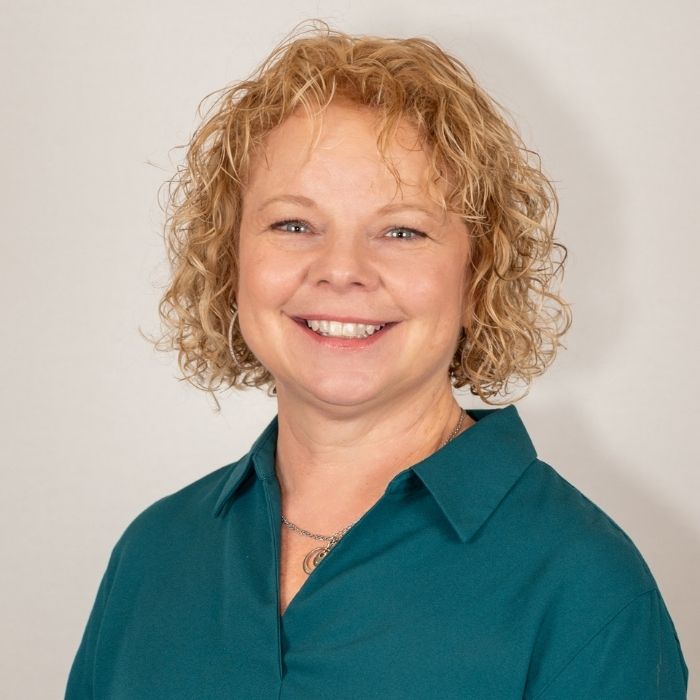
Dr. Erin Walborn holds the CH-TM certification in Tinnitus Management and serves as Secretary on the Board of Directors for the American Tinnitus Association. She's spent years focused not just on the audiology side of tinnitus, but on what it's actually like to live with it day in and day out.
That includes tools many practices simply don't offer. Dr. Erin is a certified teacher of Mindfulness-Based Stress Reduction (MBSR), an approach that helps patients change their relationship to the sound — reducing the anxiety and hypervigilance that often make tinnitus feel far worse than it acoustically is. She's also certified in the Safe and Sound Protocol (SSP) and Rest and Restore Protocol (RRP) through the Polyvagal Institute, which address nervous system regulation, sound sensitivity, and trauma-related processing.
It's a whole-person model. For patients who've struggled for years without relief, that comprehensive approach can make all the difference.
At Audiologic Solutions, we take tinnitus seriously because we know how exhausting it is to carry that constant sound around with you every day. Whether you've just started noticing symptoms or you've been dealing with this for years, we'd love to sit down and talk through what's going on and what might actually help.
Dr. Erin sees patients at our Rensselaer clinic on Wednesdays and Thursdays, and at our Hudson location on Tuesdays. We also have offices in Queensbury and Saratoga Springs.
To schedule a tinnitus evaluation, call us at (518) 267-7750 or reach out through our website to find the location closest to you.





.jpg)
We have 4 hearing care clinics in Rensselaer, Hudson, Saratoga Springs and Queensbury.


